How to Master Homemade Cheese Pizza Dough
@martinbrgi035
November 9, 2026 · 16 min read
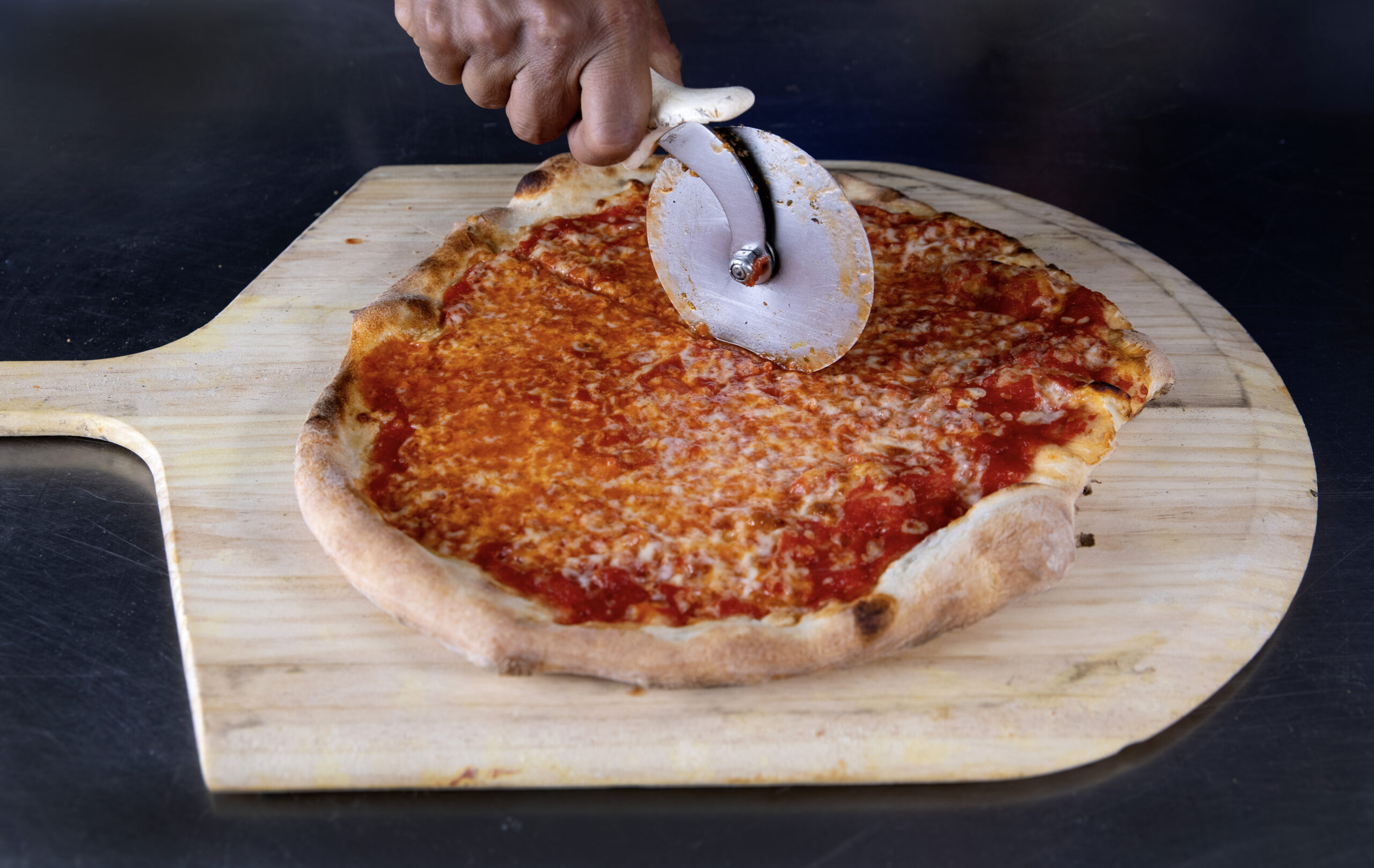
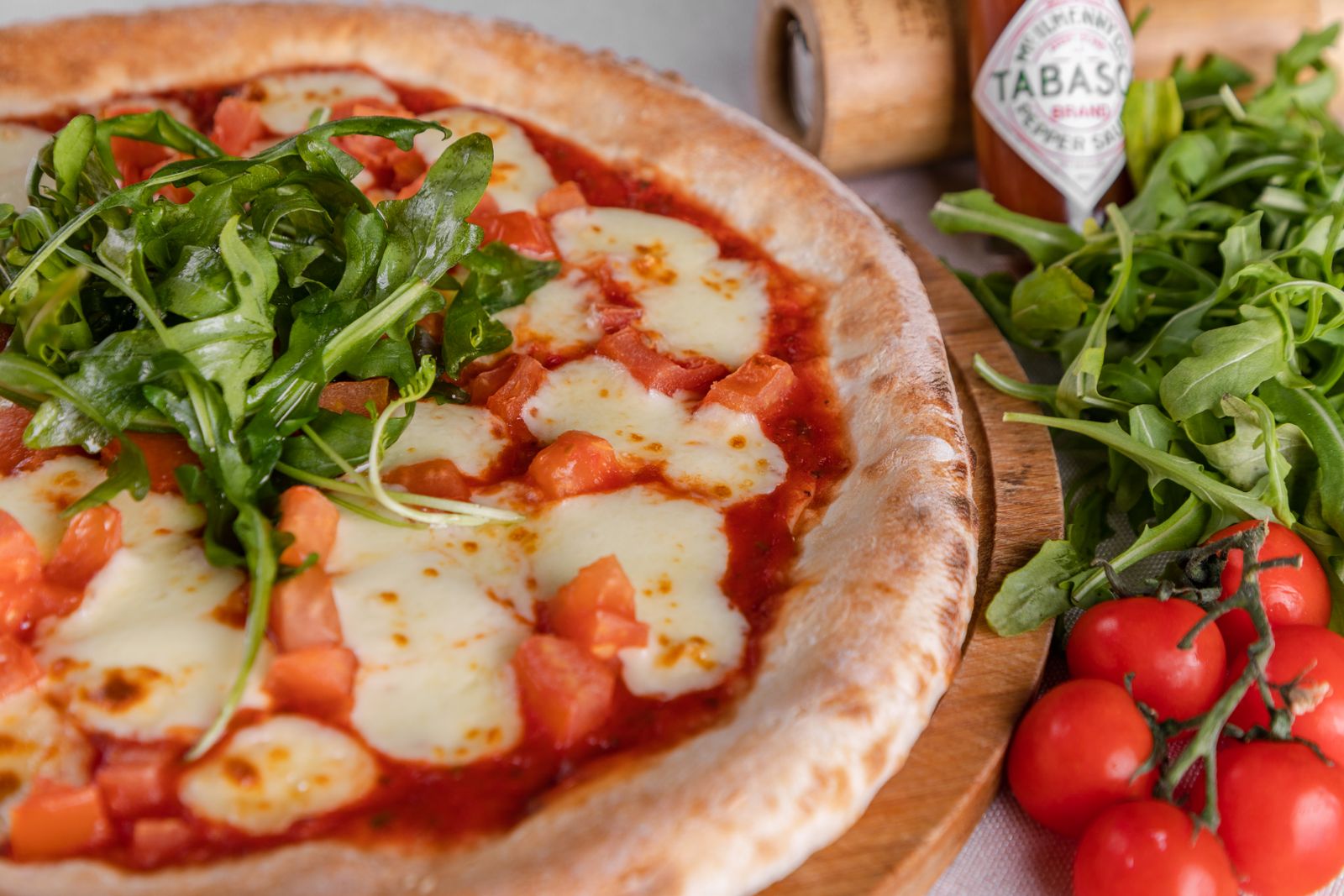
A memorable cheese pizza starts long before the sauce or mozzarella touches the peel. It starts with dough that feels alive in your hands, stretches without fighting back, and bakes into a crust with both structure and tenderness. That balance is what separates pizza that tastes homemade in the best sense from pizza that tastes merely made at home.
People often focus on toppings first because they are visible and easy to change. Dough is less forgiving. A few small decisions, flour choice, water temperature, fermentation time, oven setup, can swing the result from airy and crisp to dense and pale. The good news is that excellent cheese pizza dough does not require exotic gear or professional training. It requires attention, patience, and an understanding of what each step is doing.
Once you understand the logic behind the process, the recipe stops feeling rigid. You stop wondering why the dough tears, why it springs back when you try to shape it, or why the crust tastes flat even when the top looks beautiful. You begin making adjustments with confidence, and that is when homemade pizza becomes reliably good.
What great pizza dough is supposed to do
The ideal dough for a classic cheese pizza is not just a vehicle for toppings. It should brown deeply, puff at the edges, and hold enough chew to feel substantial without becoming leathery. When you bite into a slice, the base should support the cheese without sagging into a limp fold, unless you intentionally prefer a softer New York style slice. The rim should have irregular bubbles and a slight crackle on the outside. Inside, it should be moist and open, not dry or bread-like.
That last point matters. Many home bakers accidentally make focaccia in the shape of pizza. The dough may taste good, but it is too thick, too uniform, and too bready. Pizza dough needs enough gluten development to trap gas, but not so much that it becomes tight and resistant. It needs enough fermentation to build flavor, but not so much that it turns slack and sour. Mastery lies in those controlled middle grounds.
Cheese pizza, in particular, puts dough under a spotlight. With no pepperoni, sausage, or vegetable toppings to distract you, every weakness in the crust becomes obvious. A plain pie is the clearest test of your dough handling and baking judgment.
Start with the right ingredients, not the fanciest ones
The ingredient list for pizza dough is short, and that is exactly why each item matters. Flour, water, salt, yeast, and sometimes a small amount of olive oil. There is nowhere for poor choices to hide.
Flour is the first major variable. Bread flour is often the best starting point for home pizza because its higher protein content helps create a chewy, elastic structure. If you use all-purpose flour, you can still make very good pizza, but the dough may be slightly softer and less extensible depending on the brand. In my experience, all-purpose flour works well for thinner, crisp-leaning pizzas baked on steel, while bread flour offers more forgiveness for hand stretching and longer fermentation.
Water seems simple, yet hydration controls texture more than most people realize. For home ovens, a hydration range around 62 to 68 percent is usually comfortable. Lower than that, and the dough can feel stiff and bake up tight. Higher than that, and shaping becomes harder unless your technique is already solid. If you are just learning, aiming around 64 or 65 percent gives you a dough that is manageable but still lively.
Salt is not optional seasoning. It strengthens gluten, regulates fermentation, and sharpens flavor. Dough without enough salt tastes dull no matter how good the cheese is. Yeast is the engine, but it does not need to be used aggressively. A small amount is often better, especially if you plan to ferment in the refrigerator.
Olive oil is the ingredient people argue about. Purists skip it for certain styles. Home cooks often benefit from a little, especially in standard home ovens, because it can improve browning and tenderness. A modest amount, roughly 1 to 3 percent of the flour weight, is enough if you choose to use it. More than that pushes the dough toward a softer, richer profile.
A dependable formula that teaches good habits
If you want a strong baseline for homemade cheese pizza, this ratio works well for two medium pies:
- 500 grams bread flour, 325 grams water, 10 grams salt, 3 grams instant yeast, 10 grams olive oil
- Mix until no dry flour remains, rest 15 to 20 minutes, then knead until smooth
- Let the dough rise at room temperature until slightly puffy, about 1 to 2 hours depending on temperature
- Divide into two dough balls, refrigerate 24 to 72 hours
- Bring to room temperature for 1 to 2 hours before shaping and baking
This formula is not sacred, but it gives you a very teachable dough. The hydration is high enough for a supple crumb and good oven spring, yet low enough that most home bakers can shape it without frustration. The cold fermentation builds flavor and improves browning, which is especially useful for cheese pizza where dough character matters so much.
If your kitchen runs warm, cut the yeast slightly. If it runs cool, let the dough have more room temperature time before refrigerating. Dough responds to the environment more than the clock. Learning to read the dough, volume increase, surface tension, softness, and gas retention, is more valuable than memorizing exact minutes.
Mixing and kneading without overthinking it
Pizza dough does not need heroic kneading. It needs complete hydration and moderate gluten development. Under-mixed dough stays shaggy, tears during shaping, and lacks enough internal strength to trap gases well. Overworked dough can become too tight, making it difficult to stretch thin without shrinking back.
A practical approach is to mix until the dough comes together, let it rest, then finish kneading briefly. That short rest, often called an autolyse when done without salt and yeast, allows the flour to absorb water. Even a 15-minute pause can make the dough smoother with less effort. For a home baker, that means fewer minutes kneading and a better final texture.
I usually look for a dough that feels tacky but not sticky, smooth but not stiff. If it clings aggressively to your hands like paste, it may need more mixing or a touch of flour. If it feels dry and dense, resist the urge to force it. Give it time to rest, because dough often tightens during mixing and relaxes once left alone.
Stand mixers can help, but they also make it easy to overmix, especially with higher protein flour. If you use one, stop when the dough is smooth and elastic, not when it wraps itself into a hot, overworked rope around the hook.
Fermentation is where flavor is born
The biggest leap in homemade pizza quality usually comes from extending fermentation. A dough made, proofed, and baked in a few hours can still produce a decent pizza, but it rarely develops the same aroma, browning, and complexity as one given a day or two in the refrigerator.
Cold fermentation slows yeast activity while allowing enzymes to continue breaking down starches and proteins. The dough becomes easier to digest for many people, more flavorful, and often easier to stretch. It also tends to blister and color better in the oven. This is one reason pizzeria dough often tastes deeper than quick home versions even when the ingredient list looks nearly identical.
That said, longer is not always better. Dough left too long can overproof, lose strength, and bake into a flat or gummy crust. In a normal home refrigerator, 24 to 72 hours is a useful working range. At 24 hours, the dough tastes cleaner and milder. At 48 hours, it usually hits a sweet spot of flavor and handling. At 72 hours, you may gain complexity, but you are also closer to the edge where the dough can become overly relaxed depending on yeast amount and fridge temperature.
One detail many people miss is the temperature of the dough when it enters the refrigerator. If it goes in warm and already very active, it may overferment overnight. If it goes in immediately after mixing with very little room temperature rest, it may lag and feel underdeveloped the next day. A short room temperature rise before cold storage often gives a more balanced result.
Why your dough fights back
When dough snaps back while you shape it, it is telling you something. Usually it is too cold, too under-rested, or too tightly developed. Gluten acts like a network of stretched rubber bands. Right after kneading or dividing into balls, that network is tense. If you try to shape immediately, the dough resists and shrinks.
The fix is usually simple. Let it rest longer. A dough ball taken from the refrigerator often needs at least an hour, sometimes closer to two, to warm and relax depending on room temperature. If the surface still feels cool and the center is dense, give it more time.
Flour strength matters here too. Very high-protein flour can create a dough that is powerful but less cooperative in a home setting. Unless you are chasing a specific style, there is no prize for using the strongest flour available. Choose one that supports stretch without turning shaping into a wrestling match.
Another cause is insufficient fermentation. Dough that has not produced enough gas tends to feel tight and inert. A well-fermented dough should look slightly domed, airy, and alive. When you press it gently, it should retain a faint impression rather than springing back instantly.
Shaping without crushing the life out of it
The best pizza crusts keep their gas. That sounds obvious, but many home bakers deflate their dough into a flat disc, then wonder why Cheese Pizza brooklynpizzaboulder.com the rim stays thin and dense. The goal is to move gas toward the outer edge, not destroy it.
Start by flouring your work surface lightly. Turn the dough out gently and press from the center outward with your fingertips, leaving a thicker border around the rim. Lift and stretch using the backs of your hands or careful knuckle support. Gravity does some of the work if you stay patient. If the dough resists, set it down and let it rest for five or ten minutes before continuing.
Rolling pins have their place in baking, but they are usually the wrong tool for pizza if you want a puffy edge. They force out the trapped air that would otherwise expand in the oven. A hand-shaped crust almost always bakes with more character.
This is one area where repetition matters more than theory. The first few times, your circles may become ovals. One side may thin out too much. That is normal. Taste and texture matter more than geometry. Some of the best homemade cheese pizza I have seen looked a little irregular but ate beautifully.
Cheese pizza exposes your sauce choices too
A dough article should still acknowledge what sits on top of it, because overload is one of the fastest ways to sabotage the crust. Cheese pizza benefits from restraint. Too much sauce prevents the base from setting properly. Too much cheese traps moisture and can leave the center greasy or soupy.
With a well-fermented dough, you want the bake to be fast and decisive. A light layer of sauce, enough to cover but not pool, and a moderate amount of low-moisture mozzarella usually gives the best structural result in a standard home oven. Fresh mozzarella tastes excellent, but unless it is drained thoroughly, it releases water that can soften the center before the crust finishes.
This trade-off comes up constantly. People want the lush look of pizzeria cheese pull, yet home ovens do not always provide the top heat to evaporate excess moisture quickly. A blend often works best: mostly low-moisture mozzarella for melt and browning, with a smaller amount of fresh mozzarella for creamy pockets.
The oven matters more than the recipe after a certain point
Once your dough is reasonably well made, the biggest variable becomes heat. Professional pizza ovens run far hotter than home ovens, so the challenge is to create as much conductive and radiant heat as possible in a domestic kitchen.
A baking steel is one of the most effective upgrades because it transfers heat aggressively into the dough, helping with bottom char and oven spring. A pizza stone also works, though it usually needs a longer preheat and may not brown the underside quite as intensely. If you have neither, a heavy sheet pan preheated upside down can still improve results.
Preheat longer than you think you need. Many home ovens signal readiness before the stone or steel has fully absorbed heat. Forty-five minutes is a minimum in most cases. An hour is safer. For cheese pizza, I usually want the oven at its maximum setting, often 500 to 550 degrees Fahrenheit, with the steel positioned in the upper third or middle-upper part of the oven so the top receives enough heat to finish alongside the bottom.
If your bottom browns before the cheese melts, raise the pizza higher. If the top cooks before the underside sets, lower it or extend the preheat. These are the kinds of practical adjustments that turn decent dough into excellent pizza.
Common failures and what they usually mean
Most pizza problems can be traced to one stage of the process. Dense crust often points to underproofing, insufficient heat, or rough shaping that knocked out too much gas. Pale crust can mean weak fermentation, too little sugar available from starch breakdown, or Cheese Pizza an underheated baking surface. A gummy center usually comes from too much topping moisture, dough that is too thick in the middle, or a bake that ended too soon.
Tearing during shaping often comes from weak gluten development or overfermented dough that has lost strength. If the dough is sticky and impossible to handle, the issue may be excess hydration for your skill level, or simply that it has not been developed enough during mixing. Dry, crumbly dough usually points to inaccurate measuring or flour that absorbed more water than expected.
Here is a simple troubleshooting reference worth keeping in mind:
| Problem | Likely cause | Practical fix | | | | | | Dough shrinks back | Too cold or under-rested | Warm longer, rest between stretches | | Crust is pale | Weak fermentation or underheated oven | Ferment longer, preheat stone or steel thoroughly | | Center is soggy | Too much sauce or wet cheese | Use less sauce, drain fresh mozzarella well | | Dough tears | Underdeveloped gluten or overproofing | Mix more thoroughly, shorten fermentation next time | | Crust is tough | Too much flour, overmixing, or overbaking | Reduce bench flour, mix less, bake slightly shorter |
The table is not exhaustive, but it reflects the issues that show up most often in real kitchens. Usually the solution is not dramatic. One small correction in timing, temperature, or handling changes everything.
The role of feel, and why recipes cannot replace it
One reason pizza dough intimidates people is that it does not behave exactly the same every time. Flour ages. Humidity shifts. Refrigerators vary. A dough made in January may feel different from the same dough made in July. If you expect strict machine-like consistency without adjusting, frustration follows quickly.
Experienced bakers rely on tactile cues as much as written formulas. The dough should feel supple, not brittle. It should stretch with a little resistance, not collapse like batter. During fermentation, it should gain volume and softness without becoming shapeless. During shaping, it should allow itself to be persuaded rather than forced.
That sense only develops through repetition. The upside is that pizza gives fast feedback. You can make dough on Friday, bake on Saturday, and immediately understand what worked. If the crust lacked flavor, extend fermentation. If it was hard to stretch, increase warm-up time. If it baked dense, handle it more gently next round. Improvement comes quickly when you change one variable at a time.
A realistic path to consistency
The first homemade cheese pizza that truly satisfies is a milestone. The fifth one is more important, because it proves the result was not luck. Consistency comes from simplifying the process and repeating it with attention. Use the same flour for a few rounds. Weigh ingredients instead of relying on cups. Keep notes on room temperature, fridge time, and oven setup. Those small habits reveal patterns faster than chasing new recipes every weekend.
It also helps to define your target. Do you want a thin, crisp pie with light chew, or a slightly puffier crust with more tenderness? The dough for each can be similar, but not identical. Lower hydration and shorter fermentation may suit a crisper style. Slightly higher hydration and a longer cold rest can support a more open rim. Neither is more correct. The point is to know what you are aiming for so your adjustments move in a clear direction.
Cheese pizza is often described as simple, but it rewards precision more than complexity. When the dough ferments well, stretches easily, and hits a thoroughly preheated surface, the result feels almost disproportionate to the ingredient list. Flour, water, salt, yeast, and cheese somehow become something far more expressive than they have any right to be.
That is why mastering homemade pizza dough is worth the effort. Once you can build a crust with flavor, structure, and balance, every variation that follows becomes easier. More importantly, a plain cheese pizza stops being plain. It becomes the clearest proof that you understand the craft.
Brooklyn Pizza
1647 Arapahoe Ave
Boulder, CO 80302
+1 720-328-2324
FAQ About Cheese Pizza
What type of cheese is used on a cheese pizza in Boulder, CO?
The cheese varies by pizzeria. Brooklyn Pizza uses whole-milk mozzarella made in-house on its standard pies and offers a plant-based cheese option for vegan pizza. Ask the shop directly about ingredients if you have a dietary restriction.
How many slices are in a large pizza in Boulder, CO?
Slice count depends on how the shop cuts the pie. Brooklyn Pizza lists a 16-inch large pizza. If you are ordering for a group, call to confirm the number of slices or ask whether a smaller cut is available.
What is New York style pizza in Boulder, CO?
New York-style pizza usually has a thin crust and wide slices that can be folded. A classic cheese slice pairs tomato sauce with mozzarella. Brooklyn Pizza serves New York-style pizza by the slice and as whole pies.