Why Cheese Pizza Remains the King of Classic Pies
@martinbrgi035
November 9, 2026 · 14 min read
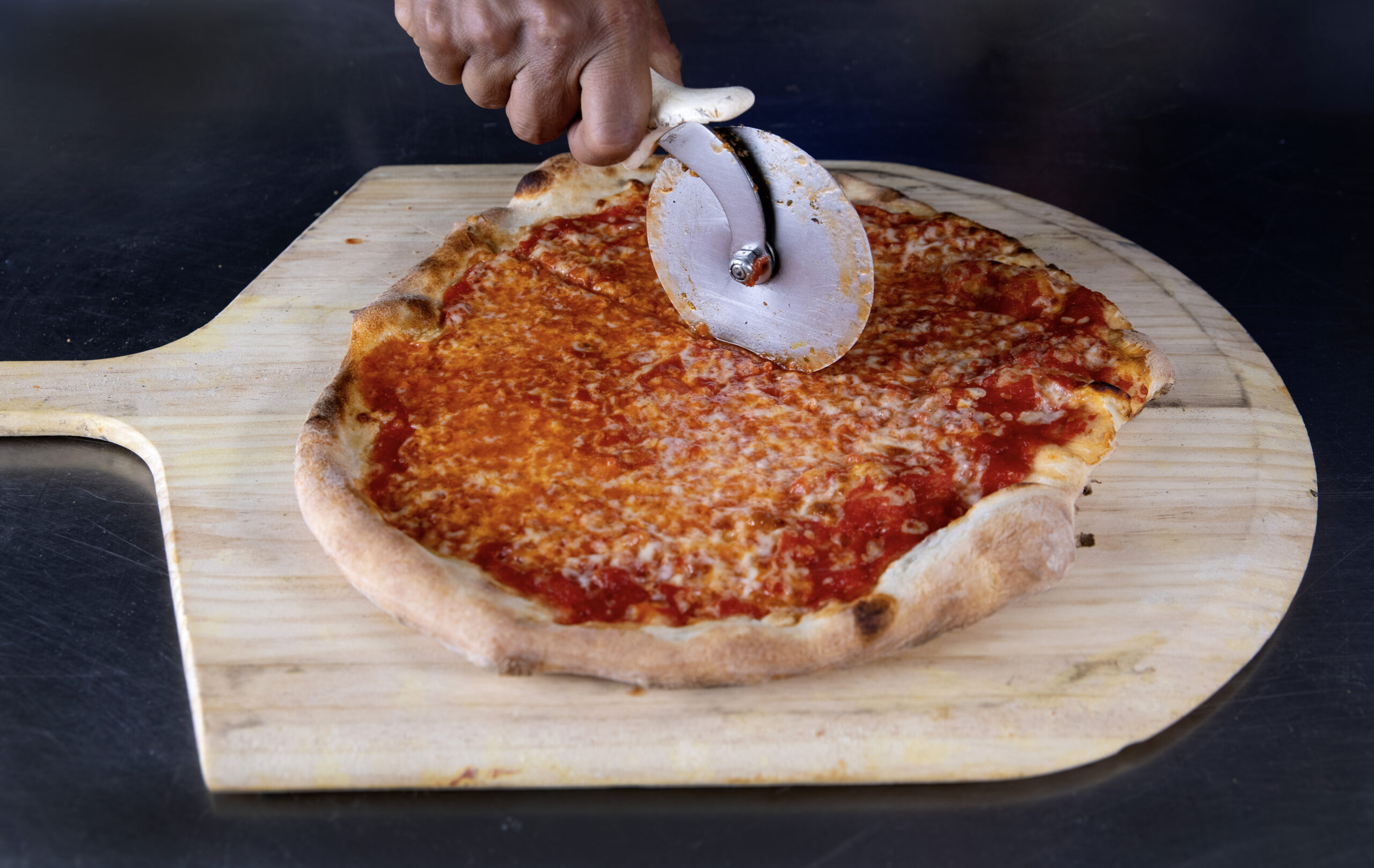
Walk into almost any pizzeria and watch what leaves the oven most often. Specialty combinations may get the social media attention. Loaded pies with truffle oil, hot honey, burrata, or five different meats may dominate the menu board. Yet the order that keeps showing up, day after day, is Cheese Pizza.
That staying power is not an accident. It comes from a rare combination of simplicity, consistency, and technical precision. A great cheese pie leaves nowhere to hide. The dough has to ferment properly. The sauce has to taste bright rather than flat. The cheese has to melt evenly, brown in the right spots, and pull into clean strands without turning greasy. When those elements come together, the result feels complete in a way many more elaborate pizzas never quite achieve.
After years of eating pizza in neighborhood slice shops, old-school family restaurants, and newer artisan spots, one pattern becomes impossible to ignore. The best places are often judged first by their plain pie, not their house special. There is a reason for that. Cheese Pizza is not the baseline because it is boring. It is the baseline because it reveals everything.
The plain pie is never really plain
Calling cheese pizza “plain” misses the point. Restraint is not the same as lack of character. In cooking, a short ingredient list often raises the stakes. Fewer components mean every decision matters more.
Take the dough. In a stronger pie shop, the crust carries flavor of its own, usually from fermentation that develops mild tang, wheat sweetness, and aroma. A rushed dough tastes like little more than baked flour. On a pizza covered with peppers, sausage, onions, and extra sauce, weak dough can fade into the background. On a cheese pie, it becomes obvious immediately.
The same is true of tomato sauce. A good pizza sauce does not need much, but what it does need is balance. It should taste like tomatoes first, with enough salt to sharpen them and enough restraint to keep herbs from overwhelming them. Some shops cook their sauce, others rely on crushed tomatoes with seasoning added just before service. Either approach can work, but on Cheese Pizza, every shortcut announces itself.
Then there is the cheese. Most classic American pizzerias rely heavily on low-moisture mozzarella because it melts predictably, browns well, and holds structure during a busy service. Fresh mozzarella can be wonderful too, especially on Neapolitan-style pies, but it introduces more water and demands tighter oven management. Blends can create depth, with provolone adding bite or pecorino adding salt and nuttiness. A cheese pie lets you notice those choices in a way a topping-heavy pizza never can.
Why pizzeria professionals judge a shop by the cheese slice
People in the pizza business rarely need a dozen bites to form an opinion. One slice of Cheese Pizza often tells the story.
It shows whether the crust has enough strength to support itself but still folds cleanly. It shows whether the sauce was applied with discipline or dumped on for weight. It shows whether the cheese coverage is even or patchy. It shows whether the bake was rushed, leaving pale dough and under-set cheese, or pushed too far into dryness.
A good cheese slice also exposes temperature control. In a well-run shop, the pie emerges with the crust crisp at the edges, the underside baked through, and the cheese fully melted but not broken into a slick of orange oil. That balance is harder than it Cheese Pizza sounds, especially during rush periods when ovens are crowded and timing gets compressed.
There is an old practical test many regulars use without even realizing it. They pick up the point of the slice. If the tip collapses into soup, something is off. Maybe the dough is underbaked. Maybe the sauce is too wet. Maybe the cheese is excessive. If the slice stands stiff like a cracker, that is not ideal either. The best cheese slices bend slightly, hold their body, and eat clean without fighting back.
Simplicity creates emotional loyalty
Cheese Pizza also holds its throne because it taps into memory better than almost any other pie. For many people, it is the first pizza they loved. It showed up at school parties, Friday takeout nights, post-game dinners, and late college evenings when one more slice felt like a small act of mercy. Those experiences matter.
Food loyalty often begins with repetition. The flavors that return most often become the flavors we trust. Cheese pizza earns that trust because it is broadly appealing without feeling generic. A well-made pie gives sweetness from tomato, richness from mozzarella, salt from Cheese Pizza the cheese and dough, bitterness from char if the oven runs hot enough, and crunch from the crust. That is a complete sensory package. It does not need embellishment to feel satisfying.
There is also a social side to its appeal. Cheese Pizza is the easiest pie to share across ages and preferences. It works for kids, for picky eaters, for larger groups, and for gatherings where not everyone wants the same thing. A host can order several plain pies and know they will disappear. More adventurous pizzas are often admired first and finished last.
This broad appeal sometimes causes people to underrate it. Familiar foods can seem less worthy of praise simply because they are common. But ubiquity and excellence are not opposites. Often, the foods that stay popular for decades do so because they solve a universal problem very well. Cheese Pizza solves the problem of wanting something warm, savory, and deeply comforting with very little friction.
Technique matters more than toppings
A crowded pizza can create excitement. It can also cover mistakes. Cheese Pizza forces craftsmanship to the surface.
One of the clearest examples is cheese distribution. Too little cheese and the pie tastes stingy, with sauce dominating every bite. Too much and the pizza becomes heavy, greasy, and oddly one-note. There is a narrow range where the cheese blankets the sauce without suffocating it. Experienced pizza makers know this by feel more than by formula, though in commercial kitchens those amounts are often measured for consistency.
Sauce placement matters just as much. Some of the best slices have a slight sauce-forward quality, where the tomato still peeks through clearly. Others lean into a richer cheese cap. Neither is inherently right or wrong, but imbalance is easy to detect. A pie overloaded with sauce can steam the crust and create a soggy center. A pie with too little sauce can taste dry, especially after a few minutes on the counter.
Bake style changes the entire experience. A New York slice shop pie usually aims for crispness underneath and enough structure to reheat well. A Neapolitan cheese pie favors a softer center, more leoparding on the crust, and a shorter, hotter bake. A pan pizza develops frico-like cheese edges and a fried-crust effect from oil. Each format can produce a superb Cheese Pizza, but each asks different things from the dough and cheese.
That is part of the pie’s enduring authority. It adapts across regions without losing its identity.
Regional styles, same core pleasure
The American pizza landscape is full of arguments, many of them good-natured and some of them not. New York versus New Haven. Detroit versus Chicago tavern style. Coal-fired versus wood-fired. Thin versus thick. Crisp versus chewy. Cheese Pizza survives all of them because it belongs comfortably in each camp.
In New York, the ideal cheese slice often has a broad, hand-tossed shape, a thin but not fragile crust, and just enough char on the bottom to add bitterness. The cheese coverage tends to be even, the sauce visible in streaks beneath. Foldability matters.
In New Haven, the cheese pie can look sparer, with stronger char, more pronounced chew, and a distinct mineral note from high-heat baking. Depending on the shop, it may skew drier and more aggressively baked than a classic New York slice, which some people love and others need time to appreciate.
Detroit-style Cheese Pizza offers an entirely different pleasure. The crust is airy and pan-baked, the cheese often runs to the edges to caramelize into crisp borders, and the pie feels both hearty and light when done well. Even people who usually prefer thin crust will often admit that a strong Detroit cheese pie is hard to stop eating.
Chicago tavern-style, cut into squares, turns Cheese Pizza into a party food. Its thin crust and edge-to-edge topping ratio reward repeat grabbing. It is easy to dismiss until you find a good one, then suddenly the logic becomes obvious.
The point is not that one style wins. It is that the cheese pie remains the standard expression across styles because it translates so well. Change the shape, the oven, the flour blend, or the moisture level, and it still makes sense.
The economics of a classic favorite
There is a practical reason pizzerias respect Cheese Pizza. It often forms the financial backbone of the menu. Toppings raise ticket averages, but a steady flow of plain pies keeps production simple and demand reliable. The ingredients are easier to forecast, the assembly is faster, and the margin is often solid when the shop manages dough and cheese costs carefully.
That does not mean the pie is cheap to make well. Cheese prices fluctuate, sometimes sharply. High-quality tomatoes are not a trivial expense either, especially for places committed to a particular brand or growing region. Flour, labor, energy, rent, and delivery platform fees all put pressure on menu pricing. When customers look at a plain pie and assume its price should be low because it appears simple, they often overlook how much professional control goes into making it consistent every day.
A strong cheese pie also reduces waste in a subtle way. Because it appeals to the broadest customer base, unsold slices in slice shops tend to move faster than more niche combinations. That matters in a business where timing is everything. A pie that sells steadily is worth more than a pie that photographs well but lingers in the case.
What separates average from exceptional
Not every Cheese Pizza deserves the reverence. Plenty are forgettable. Some are bland, some greasy, some limp, some aggressively salty. The gap between average and excellent can be surprisingly wide.
Exceptional cheese pizza usually gets several small things right at once. The dough has enough fermentation to taste alive. The sauce tastes like tomatoes, not sugar or dried oregano dust. The cheese has character beyond generic melt. The crust edge develops color and aroma. The whole pie tastes seasoned but not heavy-handed.
The final few percent often come down to details that most diners notice only subconsciously. Was the dough allowed to temper before stretching, or did it fight the baker and bake unevenly? Did the pie rest briefly after leaving the oven, allowing the cheese to set, or was it cut too quickly and slide apart? Was the oven deck at the right temperature, or did the top finish before the bottom? Those are not glamorous questions, but they shape the meal.
One memory stands out from a small neighborhood spot that had no design ambitions and no influencer following. Their Cheese Pizza arrived with a crust blistered in places, a faint dusting of grated hard cheese over the mozzarella, and a sauce that tasted vividly of canned summer tomatoes. Nothing about it seemed flashy, but every bite felt precise. It was the kind of pie that reminded you how much skill can hide inside a familiar food.
Why children love it and adults never outgrow it
Few foods bridge generations as easily as Cheese Pizza. Children often gravitate to it because the flavors are direct and comforting. There are no competing textures, no bitter greens, no spice level to negotiate. Adults return to it for a different reason. They can appreciate the balance.
As palates mature, many people chase stronger flavors and more complicated dishes. That is a normal part of learning to eat widely. But maturity also brings a greater respect for restraint. After enough meals built around novelty, a really good cheese pie can feel almost luxurious in its confidence. It does not beg for attention. It earns it quietly.
That explains why some people who claim to love adventurous pizza still order plain slices when they truly want satisfaction. They may admire the white pie with roasted mushrooms and taleggio. They may enjoy the one topped with soppressata, Calabrian chile, and honey. But when they are hungry, when they want to know whether a shop is any good, or when they need a pie that works for everyone at the table, they come back to Cheese Pizza.
The common mistakes home cooks make
Home ovens make excellent pizza possible, but cheese pies are less forgiving than many beginners expect. The most frequent problem is excess. Too much sauce, too much cheese, too many assumptions that more equals better.
A home pizza usually benefits from modest topping levels because domestic ovens do not match the heat output of commercial decks, woods, or gas-fired pizza ovens. Overloading the pie slows evaporation and encourages steaming. The result is often a pale crust and a watery center.
A few practical adjustments make a major difference:
- Use less sauce than feels instinctive, especially on thinner crusts.
- Shred or tear cheese evenly so it melts at the same rate across the pie.
- Preheat longer than you think necessary, often at least 45 minutes with steel or stone.
- Let high-moisture cheeses drain before using them.
- Rest the pizza briefly after baking so the cheese sets and the crust stays crisp.
Those sound simple, but they address most of the failures people blame on their recipe. In reality, the issue is often heat management and topping discipline.
Cheese Pizza and the idea of culinary honesty
Some foods become classics because they are extravagant. Others last because they are honest. Cheese Pizza belongs firmly in the second category.
It does not promise surprise. It promises satisfaction. It asks the baker to respect fundamentals and the diner to pay attention. The payoff is bigger than the ingredient list suggests. When flour, water, yeast, salt, tomatoes, and cheese are handled with care, the final result feels greater than the sum of its parts. That phrase gets overused in food writing, but here it fits.
There is honesty, too, in how transparently the pie reflects effort. A rushed version tastes rushed. A thoughtful one tastes composed. You can sense whether someone cared about the dough, the sauce, the bake, and the timing. That kind of clarity is rare in heavily built dishes.
It is also why cheese pizza has remained an enduring test for pizzerias opening in any market. Menus evolve. Dining trends shift. Topping fashions come and go. But the first question people still ask, whether aloud or in their head, is usually some version of this: how is the plain pie?
The crown still fits
For all the innovation in modern pizza, the classic cheese pie remains the benchmark because it captures the essence of what pizza is supposed to do. It comforts without being dull. It satisfies without exhausting the palate. It scales from a quick lunch slice to a serious expression of craft. It can be cheap and cheerful, or meticulous and refined, without losing its identity.
That is a rare achievement in food. Many dishes either become elevated and inaccessible or stay casual and undervalued. Cheese Pizza has managed to be both democratic and exacting. Anyone can crave it. Very few can make it memorably well.
That enduring appeal is why it still rules the box, the slice case, and the neighborhood debate. The king of classic pies is not the one with the most toppings or the loudest personality. It is the one people return to again and again, the one that reveals skill, invites nostalgia, and still tastes right no matter how many food trends pass by.
Cheese Pizza has held that role for generations, and it is difficult to imagine anything taking its place.
Brooklyn Pizza
1647 Arapahoe Ave
Boulder, CO 80302
+1 720-328-2324
FAQ About Cheese Pizza
What type of cheese is used on a cheese pizza in Boulder, CO?
The cheese varies by pizzeria. Brooklyn Pizza uses whole-milk mozzarella made in-house on its standard pies and offers a plant-based cheese option for vegan pizza. Ask the shop directly about ingredients if you have a dietary restriction.
How many slices are in a large pizza in Boulder, CO?
Slice count depends on how the shop cuts the pie. Brooklyn Pizza lists a 16-inch large pizza. If you are ordering for a group, call to confirm the number of slices or ask whether a smaller cut is available.
What is New York style pizza in Boulder, CO?
New York-style pizza usually has a thin crust and wide slices that can be folded. A classic cheese slice pairs tomato sauce with mozzarella. Brooklyn Pizza serves New York-style pizza by the slice and as whole pies.